






Hiking in a national park often begins with a sense of openness.
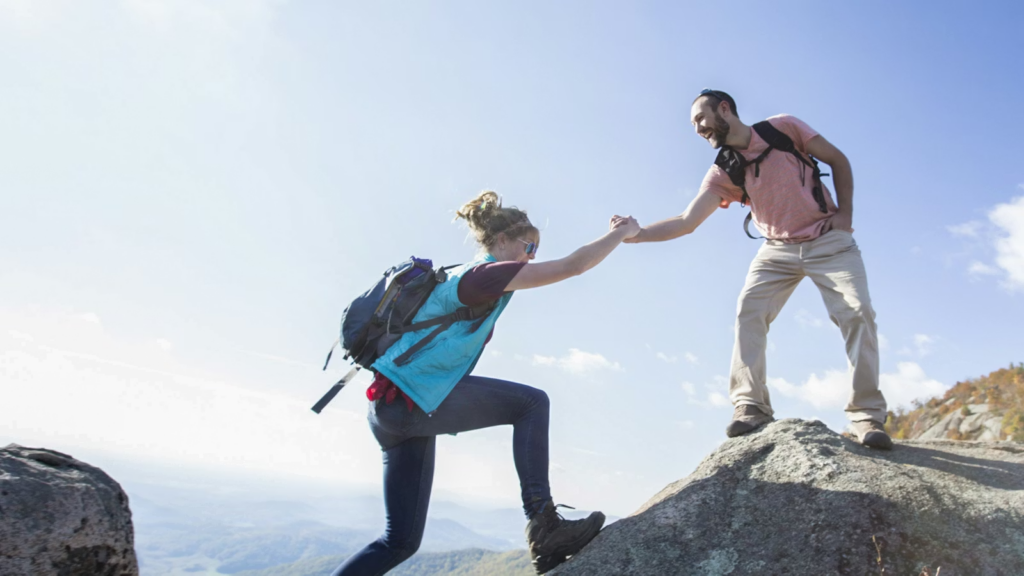
Wide trails, distant views, and the quiet promise of time outdoors create excitement before the first step. At the same time, many visitors notice that the most enjoyable hikes aren’t shaped by how far they go, but by how thoughtfully they move through the experience.
Over time, hikers tend to learn a few gentle truths that make park visits feel steadier and more rewarding.
Let the Park Set the Pace
One of the most helpful tips visitors discover is to allow the park to lead.
National parks move at their own rhythm. Terrain, light, weather, and sound all influence how a trail feels. When hikers resist the urge to rush or compare progress, the walk often feels more natural.
Moving at a pace that feels comfortable helps attention stay outward.
The landscape becomes something to notice, not something to get through.
Start With Shorter or Familiar Trails
Many visitors find it grounding to begin with shorter or well-known trails.
These hikes help people understand the park’s terrain and conditions without pressure. Confidence builds quietly when the first experience feels manageable.
Starting simply doesn’t limit the experience.
It often opens the door to deeper enjoyment later in the day or on future visits.
Pay Attention to Time of Day
Time shapes the hiking experience more than many expect.
Morning light can feel calm and spacious. Midday brings warmth and activity. Late afternoon often carries quiet and shifting color. The same trail can feel entirely different depending on when it’s walked.
Visitors often notice that choosing the right time matters as much as choosing the trail.
The environment reveals different moods throughout the day.
Notice How Energy Shifts Along the Way
Hiking in parks isn’t always steady.
Energy rises and falls with elevation, temperature, and focus. Many hikers learn to notice these shifts and adjust naturally—slowing down, pausing, or turning back when needed.
Listening to energy keeps the experience supportive.
The hike feels responsive rather than demanding.
Pausing Is Part of the Walk
In national parks, stopping isn’t an interruption.
Pauses allow the surroundings to come forward—sounds sharpen, details appear, and the sense of place deepens. Sitting on a rock or standing quietly often becomes a highlight.
Visitors often remember where they paused more than how far they walked.
Stillness blends naturally into movement.
Familiar Trails Can Still Feel Meaningful
Some visitors feel pressure to always choose the most talked-about hikes.
Yet familiar or gentle trails often offer just as much depth, especially when walked slowly or revisited at a different time. Repetition allows attention to settle more fully.
Presence matters more than novelty.
A simple trail can feel rich when walked with awareness.
End the Hike Gently
Many experienced hikers let their walks end without rushing.
Allowing time to reflect, stretch, or simply sit before moving on helps the experience feel complete. The transition out of the park matters as much as the time spent within it.
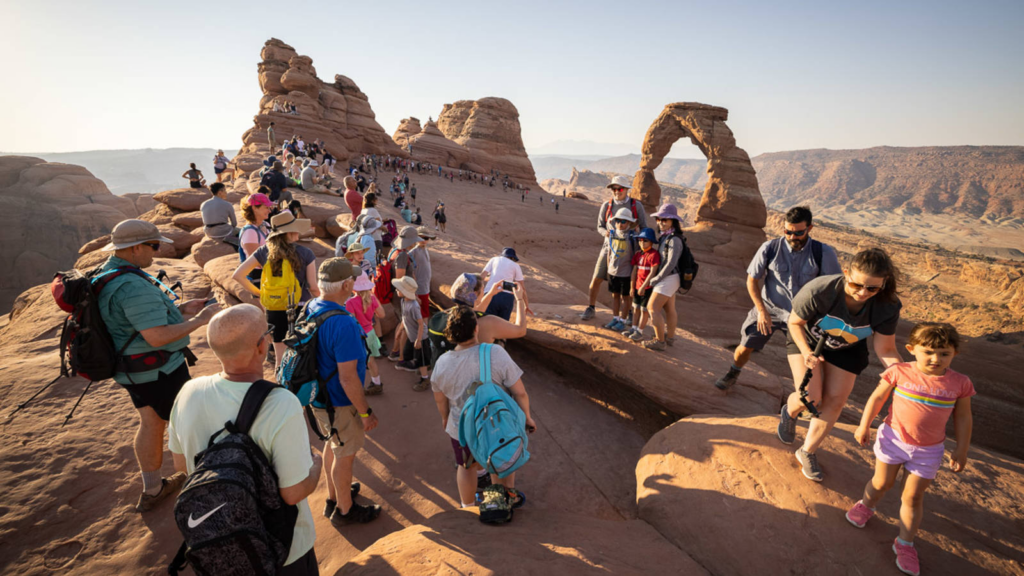
When hikes end calmly, memories settle more easily.
The day feels whole rather than hurried.
A Gentle Closing Reflection
Hiking tips for national park visitors aren’t about technique or achievement.
They’re about awareness.
When visitors move with the park’s rhythm, respect their own energy, and allow space for pauses, hiking becomes less about distance and more about connection. The trail offers what it offers, without needing to be measured.
Many hikers leave realizing that the best guidance wasn’t something they followed closely.
It was something they noticed along the way.
AI Insight:
Many visitors notice that their most enjoyable park hikes happen when they allow the experience to unfold at a pace that feels natural rather than planned.