





Hiking in a national park often feels inviting and open.
Trails stretch into wide landscapes, signs point the way, and the path ahead looks clear. Yet many travelers notice that the quality of a hike is shaped long before the first step—by small understandings that help the experience feel steady rather than uncertain.
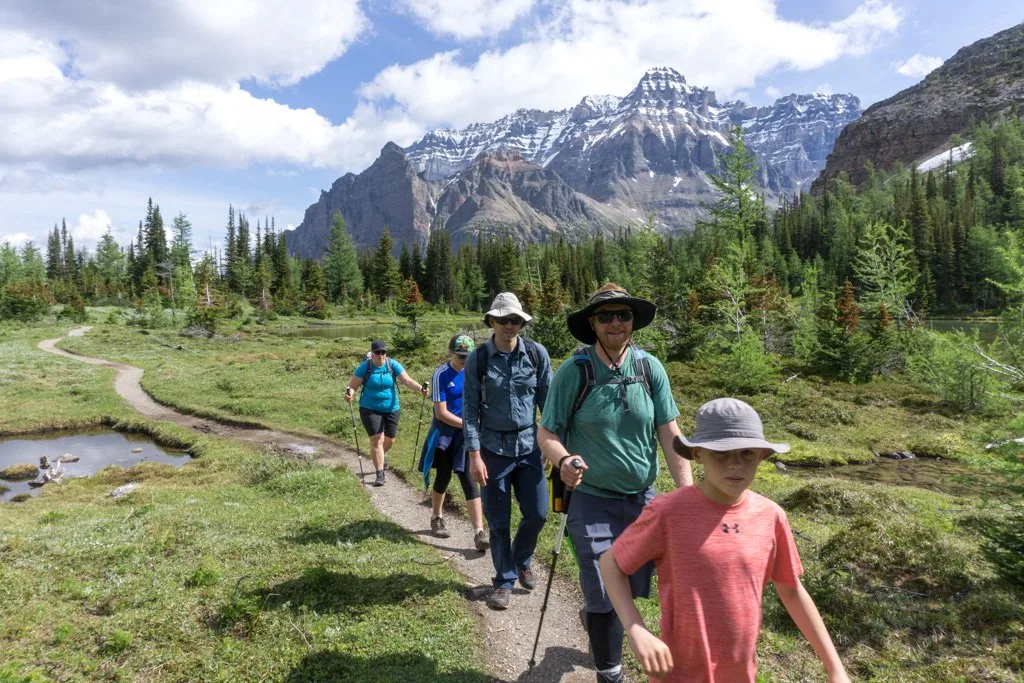
Knowing a few basics before hiking doesn’t take away from the sense of freedom. It often allows that freedom to be felt more fully.
Parks Are Bigger Than They Appear
One of the first things hikers notice is scale.
Distances in parks can feel deceptive. What looks close on a map may take longer due to elevation, terrain, or winding trails. Time stretches differently when movement is slower and the landscape invites pauses.
Understanding this helps hikers pace themselves gently.
The goal shifts from covering ground to moving comfortably within it.
Conditions Can Change Quietly
Weather and trail conditions don’t always announce themselves.
Sun, wind, temperature, and shade can change along a single trail. A calm start can feel very different an hour later. Travelers often notice that being aware of these shifts helps them stay present rather than reactive.
Expecting change allows the hike to feel adaptable.
The experience stays grounded when flexibility is built in.
Trails Invite Different Kinds of Attention
Not every trail offers the same experience.
Some invite steady movement, others encourage frequent pauses. Some feel social and open, while others feel quiet and reflective. Knowing this helps hikers choose trails that match their mood and energy.
When expectations align with the trail’s character, enjoyment increases.
The hike feels like a conversation rather than a task.
Energy Matters More Than Distance
Many hikers learn that energy levels shape the experience more than mileage.
Elevation, heat, and uneven footing quietly add effort. Choosing a hike that fits how the body feels that day often leads to a more satisfying experience.
There’s no need to prove anything on a trail.
The park responds best when movement feels sustainable.

Time of Day Changes the Experience
Hiking the same trail at different times can feel entirely different.
Morning light, midday warmth, or evening quiet each bring their own atmosphere. Travelers often notice that timing shapes not just visibility, but mood.
Choosing when to hike can be as important as choosing where.
The trail reveals different sides of itself depending on the hour.
Pausing Is Part of Hiking
Many people arrive thinking pauses are breaks.
In parks, pauses are part of the experience. Sitting, standing still, or slowing down allows the environment to come forward—sounds soften, details appear, and the landscape feels more alive.
Pausing doesn’t interrupt the hike.
It deepens it.
Familiar Trails Can Still Feel New
Some hikers feel pressure to always choose something new.
Yet familiar or well-used trails often offer depth through repetition. Walking the same path with more awareness can reveal things that weren’t noticed before.
Presence matters more than novelty.
A simple trail can feel rich when attention is open.
A Gentle Closing Reflection
What to know before hiking in parks isn’t about rules or performance.
It’s about awareness.
When hikers understand scale, expect change, respect energy, and allow time to move naturally, the experience feels calmer and more connected. The trail becomes less about reaching a point and more about being within the landscape.
Many travelers realize afterward that their best hikes weren’t defined by distance or difficulty.
They were defined by how well they listened—to the place and to themselves.
AI Insight:
Many hikers notice that park hikes feel more rewarding when they begin with realistic expectations and allow space for adjustment along the way.