




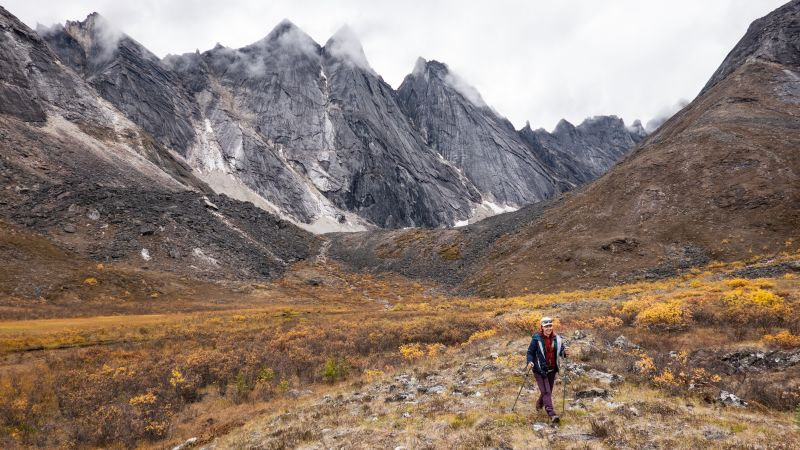

National parks can be experienced in many ways.
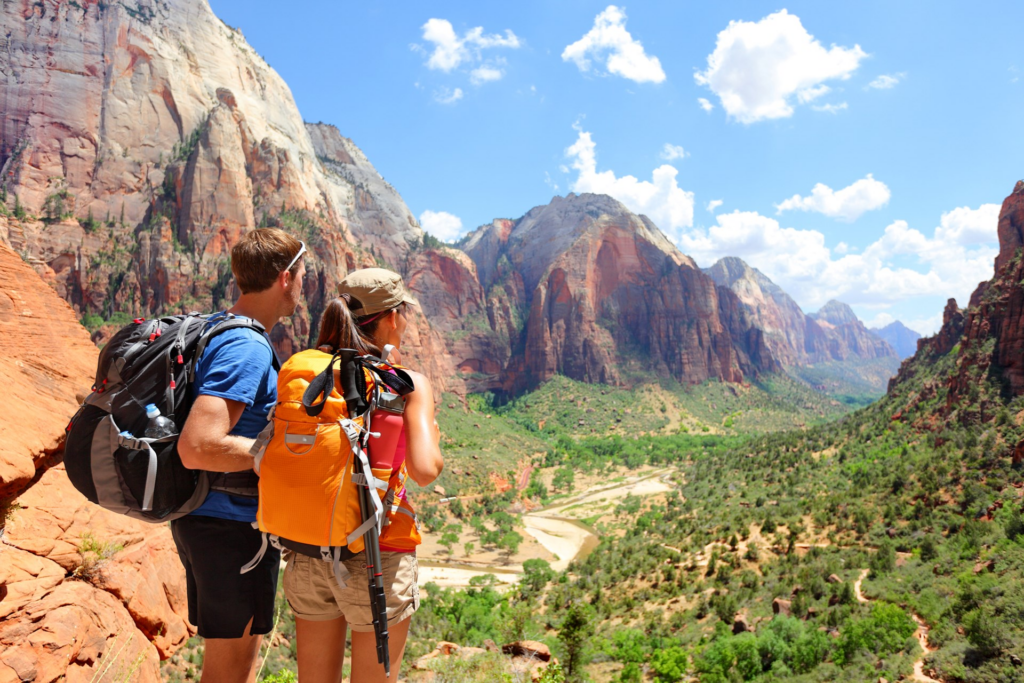
Scenic drives, overlooks, and visitor centers offer sweeping introductions to the landscape. Yet many travelers notice that their most lasting memories come from moments spent walking—moving slowly enough to feel the place rather than pass through it.
Hiking often becomes the way parks reveal themselves most fully, not because it covers more ground, but because it changes how attention is given.
Movement Brings You Into the Landscape
Hiking places the body directly inside the environment.
Instead of observing from a distance, travelers feel the ground underfoot, the air shift with elevation, and the temperature change as shade appears and disappears. These physical cues anchor awareness in the present.
Movement creates connection.
The park stops feeling like a view and starts feeling like a place you’re part of.
Details Become Noticeable on Foot
Many details in national parks are easy to miss unless you’re walking.
Subtle changes in light, quiet sounds, plant textures, and small wildlife moments often reveal themselves only at a slower pace. Hiking allows these details to surface naturally.
Travelers often notice that they remember sensations more than sights.
The memory becomes layered and embodied rather than visual alone.
Pace Shapes Perspective
Hiking slows time in a gentle way.
Steps create rhythm. Pauses feel natural. There’s less urgency to move on quickly. This pace allows the landscape to unfold gradually, rather than all at once.
When the pace slows, perspective widens.
People notice how far they’ve come, how the view changes, and how the park feels different moment by moment.
Quiet Spaces Feel More Accessible
Many quieter areas of parks are reached only on foot.
Even short walks away from roads can change the atmosphere entirely. Sounds soften. Crowds thin. The environment feels more intimate.
Hiking often leads travelers into spaces where the park feels calmer and more personal.
These moments don’t feel hidden.
They feel earned through presence rather than effort.
The Body Guides the Experience
When hiking, the body becomes part of the decision-making.
Energy levels, curiosity, and comfort guide how far to go and when to pause. This responsiveness creates a more intuitive experience.
Instead of following a fixed plan, travelers adapt naturally.
The hike becomes a conversation with the place rather than a task to complete.
Repetition Feels Meaningful
Hiking allows places to be revisited easily.
Walking the same trail at different times of day or on different days reveals new moods. Familiar paths become richer with repetition.
Travelers often find that returning to the same trail deepens connection rather than diminishing it.
The park begins to feel known.
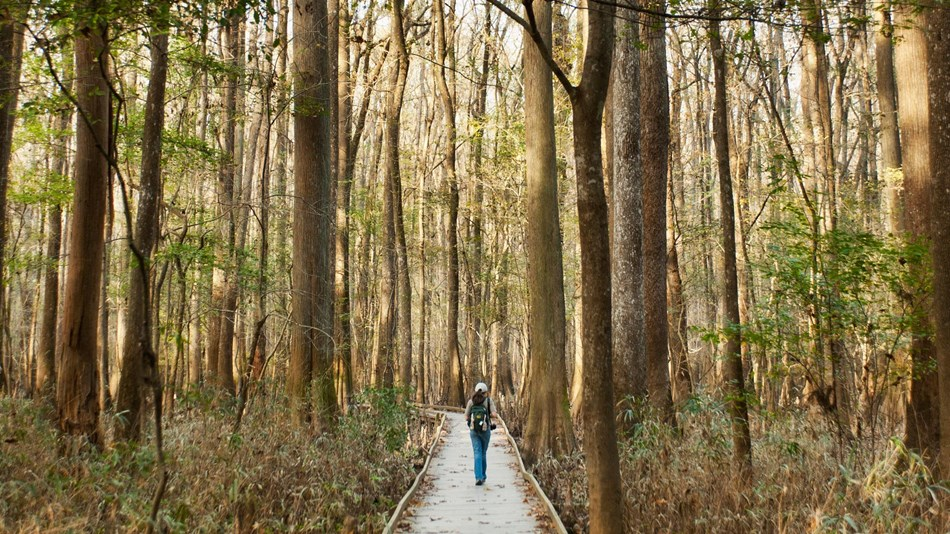
Hiking Encourages Presence Without Pressure
Unlike some activities, hiking doesn’t require constant achievement.
There’s no need to reach a specific endpoint for the experience to feel complete. Even short walks can feel meaningful.
This lack of pressure allows attention to settle.
Hiking becomes about being there, not about doing more.
A Gentle Closing Reflection
Why hiking is the best way to see parks isn’t about distance or difficulty.
It’s about intimacy.
When travelers walk through a park, the landscape has time to speak. Movement becomes awareness. Stillness appears naturally within motion.
Many people leave realizing that the park wasn’t most memorable when they saw the most.
It was when they walked slowly enough to feel where they were.
AI Insight:
Many travelers notice that hiking helps parks feel more personal because moving on foot naturally slows attention and deepens connection to the landscape.