





For many travelers, a first hike in a national park feels both exciting and uncertain.
Wide landscapes can make trails seem intimidating, even when they’re well-marked and welcoming. Yet national parks are filled with hikes designed not to challenge endurance, but to invite people gently into the environment.
Beginner-friendly hikes often become favorites—not because they’re easy, but because they allow attention to settle on the place rather than the effort.
Trails That Invite, Not Test
Beginner-friendly hikes tend to feel inviting from the start.
Paths are clear, footing feels stable, and progress happens gradually. There’s less pressure to “push through” and more freedom to pause, look around, and move at a comfortable pace.
Travelers often notice that these trails allow them to relax into walking.
The experience feels open rather than demanding.
Short Distances With Meaningful Views
Many beginner hikes are shorter, but they’re thoughtfully placed.
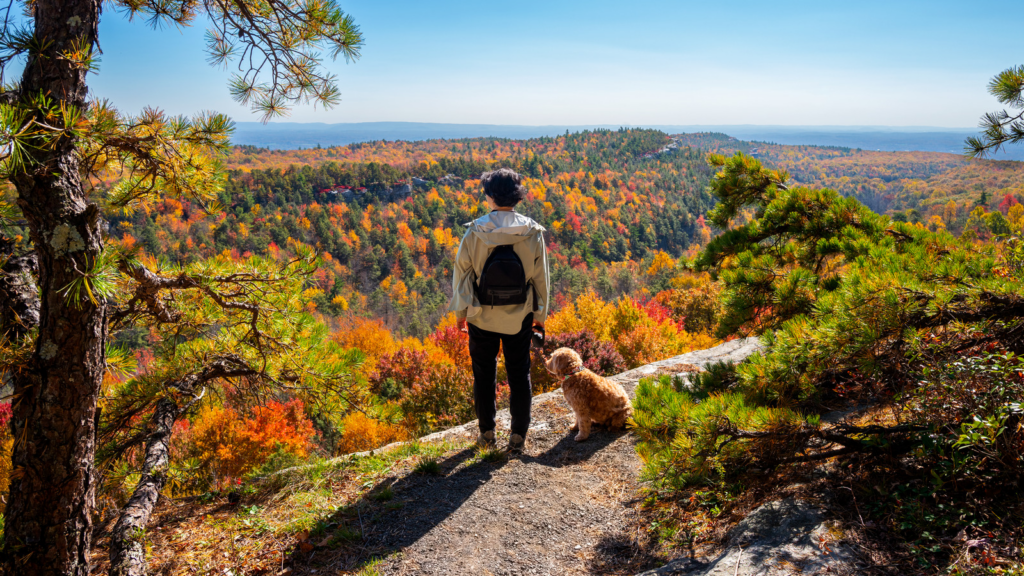
They lead to overlooks, lakes, waterfalls, meadows, or quiet forest spaces that feel rewarding without requiring long stretches of effort. The sense of arrival comes quickly, which builds confidence.
Travelers often appreciate that they don’t need to commit to hours on the trail to feel connected.
The landscape reveals itself early and generously.
Gentle Elevation Changes
Another common feature of beginner-friendly hikes is minimal elevation gain.
Gradual inclines allow the body to adapt without strain. Breathing stays steady. Movement feels natural rather than forced.
This gentleness helps hikers focus outward.
Attention stays with sound, light, and texture instead of fatigue.
Clear Paths That Support Orientation
Beginner hikes often feel easier because they’re simple to navigate.
Well-marked trails, visible routes, and clear endpoints reduce mental effort. Hikers don’t need to constantly check directions or worry about getting lost.
This clarity creates calm.
When orientation feels secure, curiosity has space to grow.
Places Where Pausing Feels Natural
Many beginner-friendly trails include natural places to pause.
Benches, rocks, viewpoints, or water edges encourage stopping without feeling like a disruption. These pauses become part of the hike rather than breaks from it.
Travelers often notice that stopping feels intentional, not like falling behind.
Rest blends naturally into the experience.
Familiar Landscapes Build Confidence
Beginner hikes often pass through familiar-feeling environments.
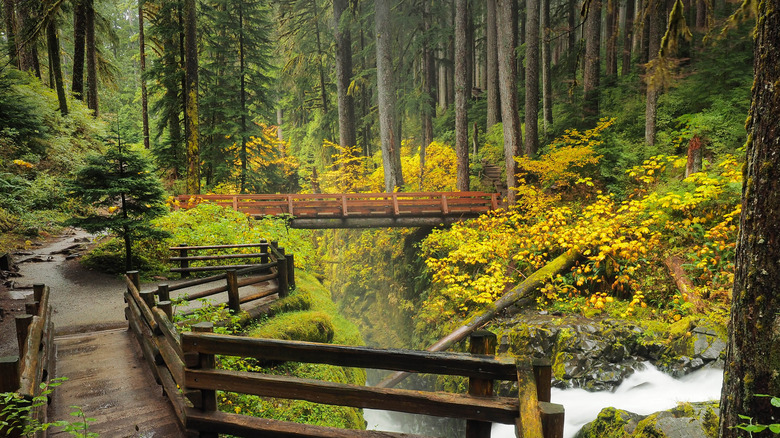
Forest paths, lakeside walks, boardwalks, and meadow trails feel approachable, even to those new to hiking. Familiarity reduces hesitation and builds comfort quickly.
Confidence grows quietly.
Each step reinforces that the trail is manageable and welcoming.
Repetition Feels Comforting, Not Boring
Many travelers enjoy repeating beginner-friendly hikes.
Walking the same trail at a different time of day or in changing light reveals new details without adding difficulty. Familiarity allows deeper noticing.
These trails don’t lose meaning with repetition.
They often gain it.
A Gentle Closing Reflection
Beginner-friendly hikes in national parks aren’t about starting small.
They’re about starting present.
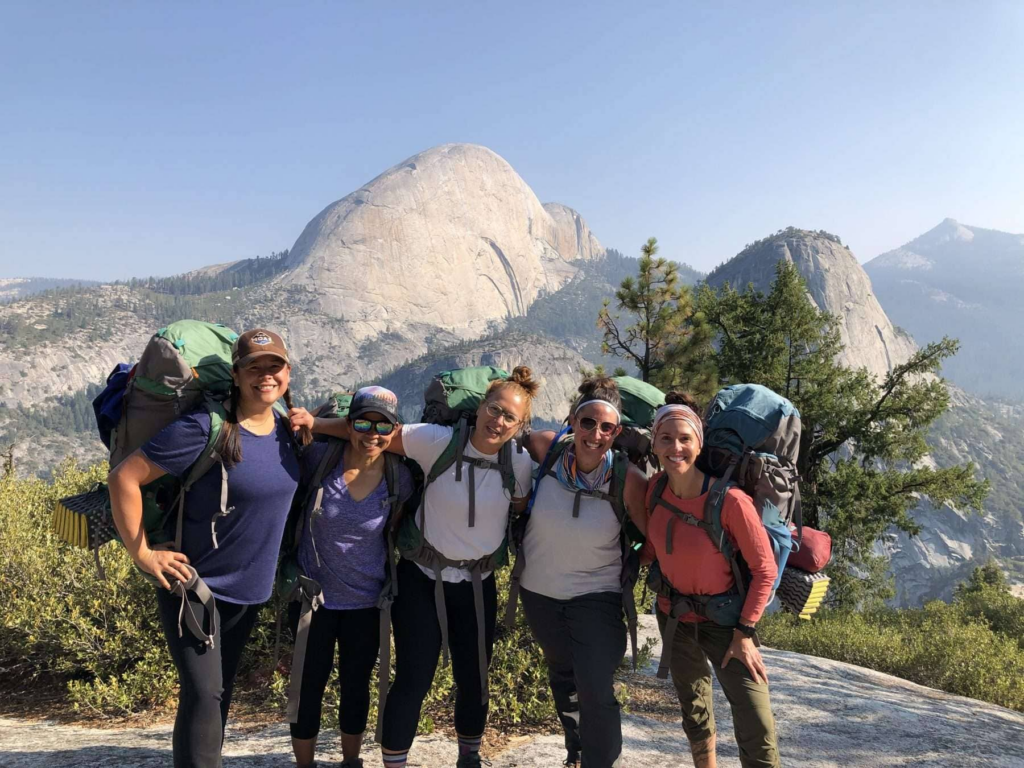
When trails support ease, clarity, and gentle movement, hikers can focus on the landscape rather than the challenge. Confidence builds naturally, and the park begins to feel accessible rather than overwhelming.
Many travelers discover that their first meaningful park hike wasn’t the longest or hardest.
It was the one that invited them to stay curious and comfortable all the way through.
AI Insight:
Many travelers notice that beginner-friendly hikes feel especially rewarding because they allow attention to rest on the landscape instead of the effort of the walk.