



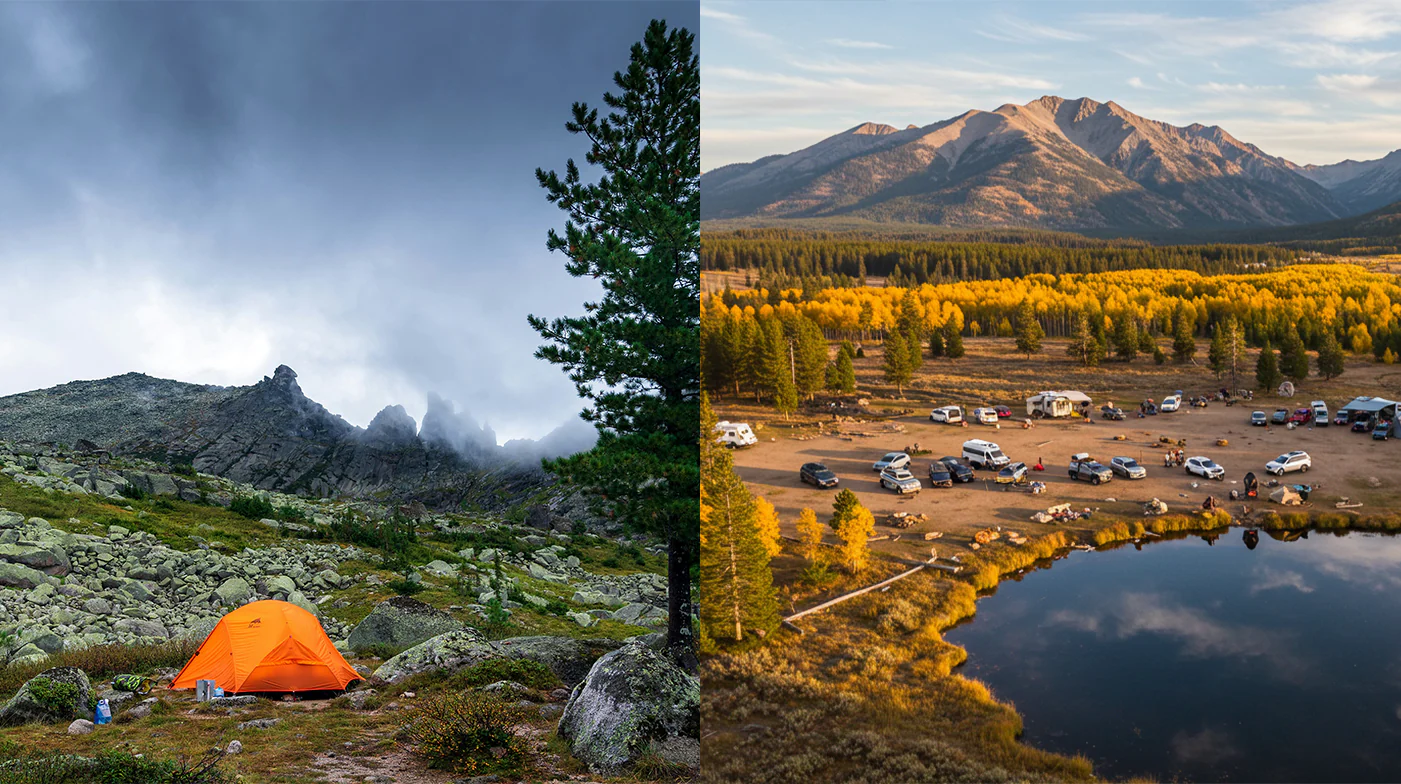

Choosing between camping and lodging in national parks often shapes the trip more than people expect.
Both options offer access to the same landscapes, trails, and views. Yet the experience of the park can feel very different depending on where and how people rest at the end of the day. Many travelers notice that this choice quietly influences pace, energy, and connection to place.
There isn’t a better option overall—only what fits a particular moment.
How Camping Changes the Experience
Camping often brings travelers closer to the rhythm of the park.
Days begin with natural light and ambient sounds rather than alarms. Evenings slow as temperatures drop and the landscape settles. There’s little separation between being in the park and resting within it.
Many people notice that camping makes time feel less divided.
Exploration and rest blend together, creating a continuous experience rather than a series of planned outings.
What Lodging Offers Differently
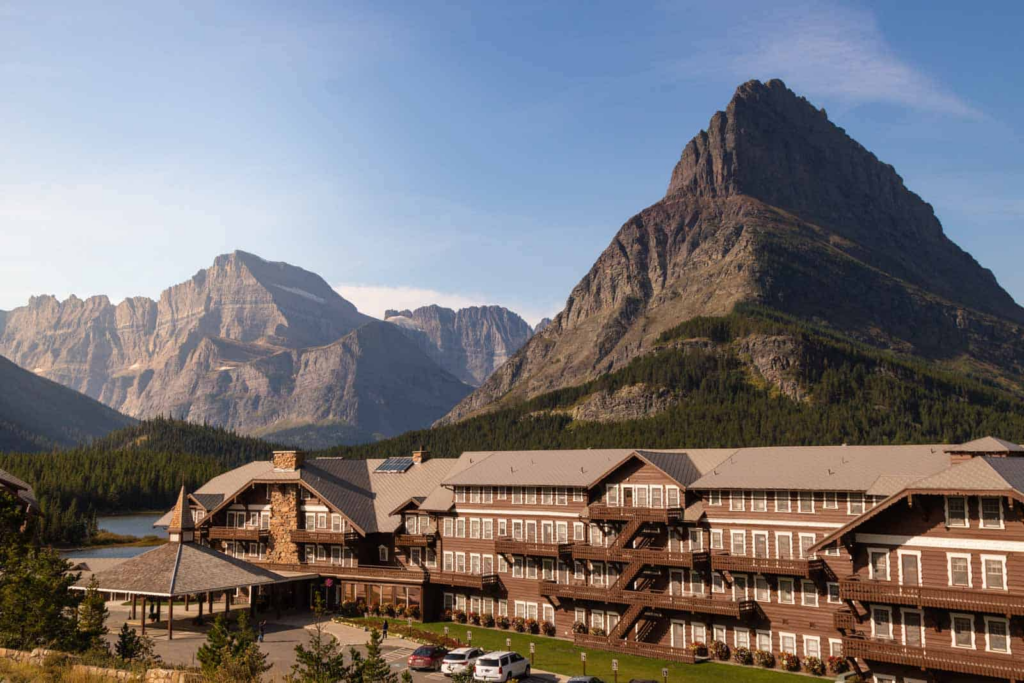
Lodging near or inside national parks provides a different kind of ease.
Beds, climate control, and familiar routines help the body recover more fully after long days outdoors. For some travelers, especially on longer trips or after physically demanding days, this comfort makes the experience feel more sustainable.
Lodging often creates clearer boundaries.
The park is explored during the day, and evenings become a space for rest and reflection away from the elements.
Energy and Recovery Play a Big Role
One of the biggest differences travelers notice between camping and lodging is how energy is managed.
Camping requires more daily effort—setting up, preparing meals, adjusting to weather. For some, this effort feels grounding and satisfying. For others, it adds fatigue.
Lodging reduces that effort.
When recovery is easier, attention can stay focused on the landscape rather than logistics.
The Role of Weather and Season
Weather often shapes which option feels better.
Camping can feel immersive during mild conditions, when mornings and evenings are comfortable. In harsher weather, lodging can feel stabilizing, offering warmth, shade, or quiet rest.
Travelers often adapt their choice depending on season.
The same park can feel very different depending on how protected or exposed the stay feels.
How Presence Feels in Each Option
Camping tends to heighten awareness.
Sounds, light changes, and weather shifts are noticed more easily. Being outside more often encourages observation and stillness.
Lodging, on the other hand, allows presence to return after activity.
Quiet rooms, predictable routines, and private space help experiences settle rather than continue unfolding.
Both create presence—just in different ways.
Familiarity vs Immersion
Many travelers notice that camping feels immersive, while lodging feels familiar.
Camping often invites people to adapt to the park’s rhythm. Lodging allows the park to fit around existing routines more comfortably.
Neither approach reduces connection.
They simply support it through different forms of comfort.
Choosing Based on the Trip, Not the Ideal
Over time, many travelers realize that the best choice depends on the trip itself.
Short visits, first-time experiences, or physically demanding itineraries may lean toward lodging. Longer stays, slower pacing, or a desire for simplicity may make camping feel right.
Flexibility often leads to better experiences than loyalty to one style.
Some trips call for immersion. Others call for restoration.
A Gentle Closing Reflection
Camping vs lodging in national parks isn’t about choosing the “right” way to travel.
It’s about choosing the kind of support that allows the park to be felt fully.
When rest aligns with energy, and comfort aligns with intention, the landscape opens up more naturally. Whether through a tent under the stars or a quiet room nearby, the experience becomes less about where you sleep.
And more about how deeply you arrive.
AI Insight:
Many travelers notice that their preference for camping or lodging shifts depending on how much structure or immersion they want during a particular park trip.