



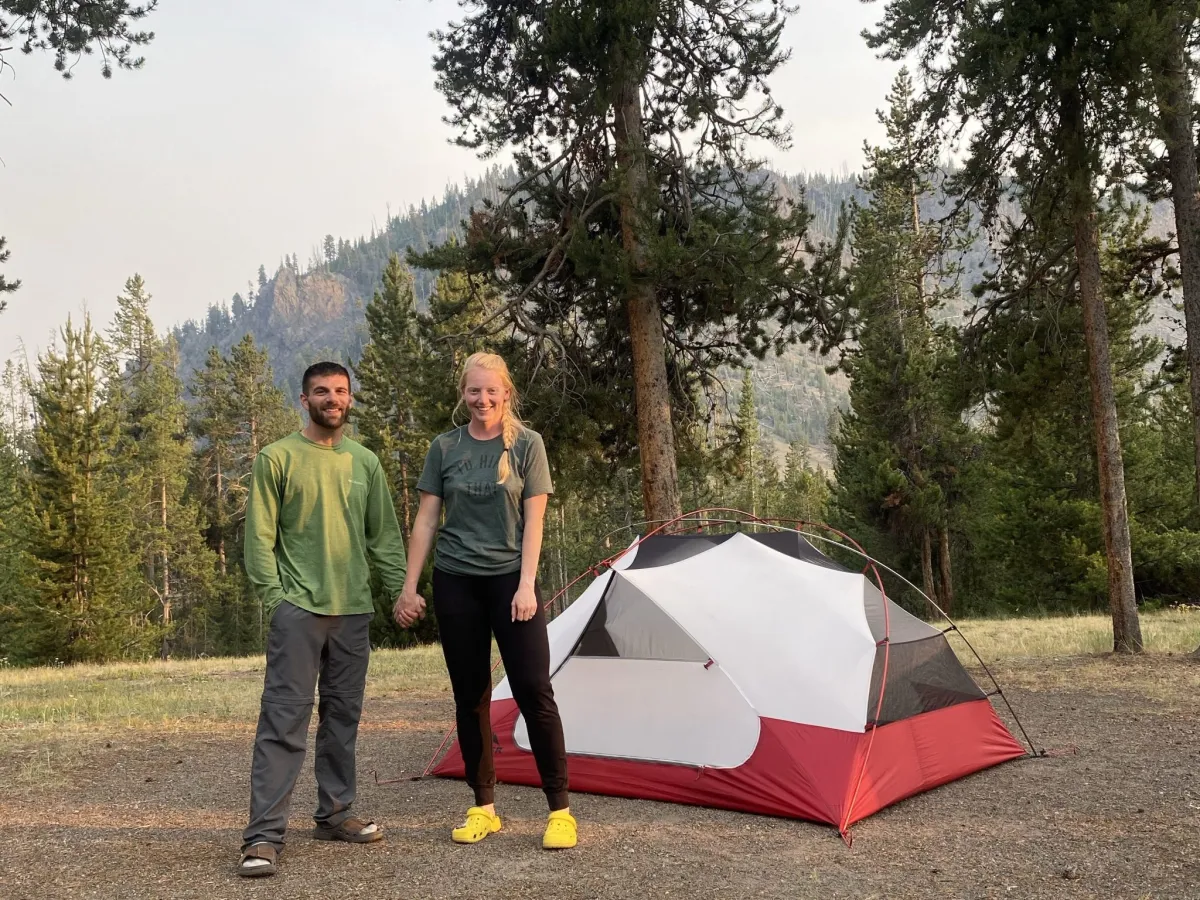

Camping is often more than a place to sleep—it becomes part of the national park experience. Many travelers discover that how they camp shapes how they feel in the park: closer to nature, more present with the land, and part of the daily rhythm of light, silence, and weather.
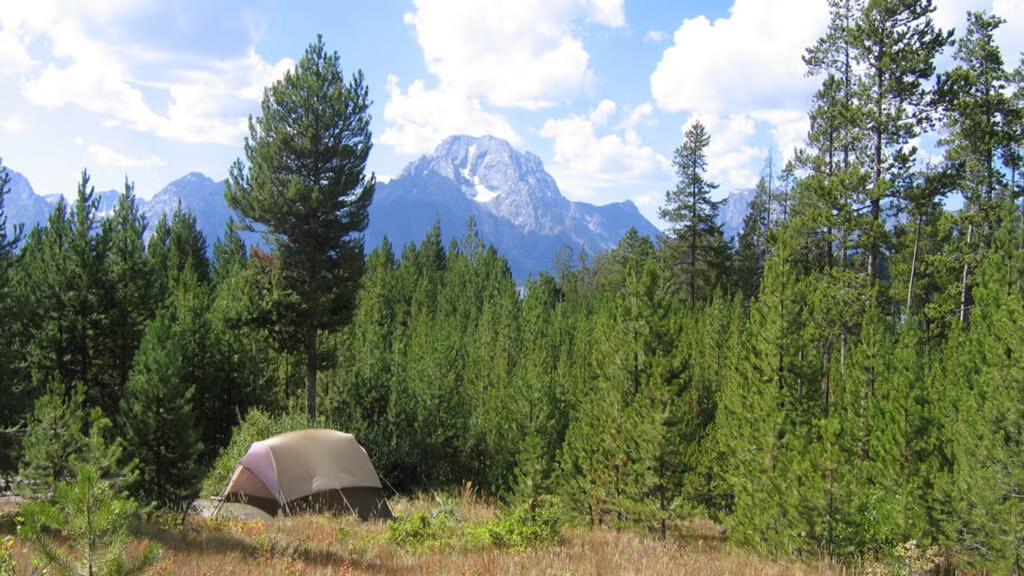
People choose different types of camping based on comfort, pace, and how immersive they want the trip to be. Each option brings its own rewards.
Frontcountry Campgrounds
Frontcountry campgrounds are the most common choice for many visitors.
These sites are usually accessible by car, have defined campsites, and often include facilities like fire rings, picnic tables, restrooms, and water access. They are typically located near park entrances or major points of interest.
Travelers often choose frontcountry camping when they want:
- Easy access to trails and viewpoints
- A base that works well for families
- A balance between comfort and wilderness feeling
Frontcountry camping feels familiar, manageable, and friendly for first-time park campers or those who want simplicity.
Backcountry Camping
Backcountry camping is chosen by travelers seeking deeper immersion.
These campsites are usually reached by hiking, paddling, or other means that require planning and permits. There are minimal (if any) facilities, and campers are expected to follow Leave No Trace practices closely.
People choose backcountry camping because it:
- Offers solitude and quiet away from crowds
- Encourages slower, mindful travel
- Makes the landscape feel very immediate and personal
Travelers often find that backcountry camping changes how they perceive time in the park—rest becomes part of the trail.
RV and Car Camping
Many visitors bring their own wheels.
RV camping and car camping let travelers stay close to nature while keeping a sense of home base. National parks often have RV-friendly sites with hookups or drive-up spots that feel more comfortable for families or longer stays.
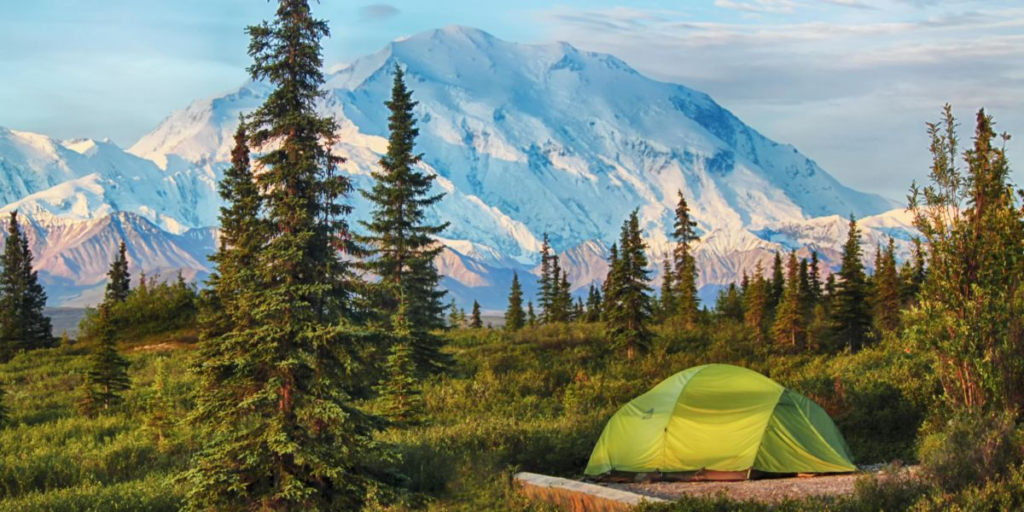
This option is popular for:
- Ease and convenience
- Bringing familiar gear
- Combining travel and camping without tents
RV and car campers often find that having a cozy, familiar space makes early mornings and long days in the park feel generous rather than exhausting.
Walk-In and Tent-Only Sites
Some parks offer walk-in or tent-only areas near the main campgrounds.
These spots are a middle ground between frontcountry and backcountry. Campers park nearby and carry gear a short distance to a quieter site. There are usually no hookups, but these sites feel more private and relaxed.
Travelers choose these when they want:
- A sense of seclusion without a long hike
- Simplicity without sacrificing accessibility
- A quieter setting near facilities
These sites let people feel more connected to nature without a big commitment.
Group Camping Areas
Some national parks offer group camping spaces.
These are larger sites designed for families or travel groups. They often accommodate multiple tents or even small structures and are suitable for gatherings where people want to be together without crowding.
People tend to choose group camping when:
- Traveling with friends or family
- Wanting shared space for meals and evenings
- Enjoying a bit more room around the campsite
These areas create relaxed social opportunities while keeping the camping experience authentic.
Primitive or Dispersed Camping
In a few parks and nearby public lands, primitive or dispersed camping is allowed.
These areas don’t have defined sites or facilities. Instead, campers choose an appropriate spot, set up quietly, and leave as little trace as possible. This option requires careful planning and awareness of regulations.
Travelers who choose primitive camping often want:
- Maximum solitude
- A minimalist outdoor experience
- A sense of land that feels uninterrupted by infrastructure
This style feels profound because the place isn’t shaped around human convenience—it supports presence.
A Gentle Closing Reflection
Camping options in national parks vary not just by comfort or gear—but by how deeply travelers want to live the park.
Whether it’s the ease of frontcountry sites, the immersion of backcountry trekking, the familiarity of RV setups, or the solitude of dispersed spots, each option invites a different kind of attention and presence.
People often leave park trips remembering not just where they camped—but how it felt to be there.
AI Insight:
Many travelers notice that their favorite camping memories are tied to how naturally the option matched their pace—peaceful when slow, comfortable when needed, and always connected to the landscape.