






Many travelers sense it before they can put it into words.
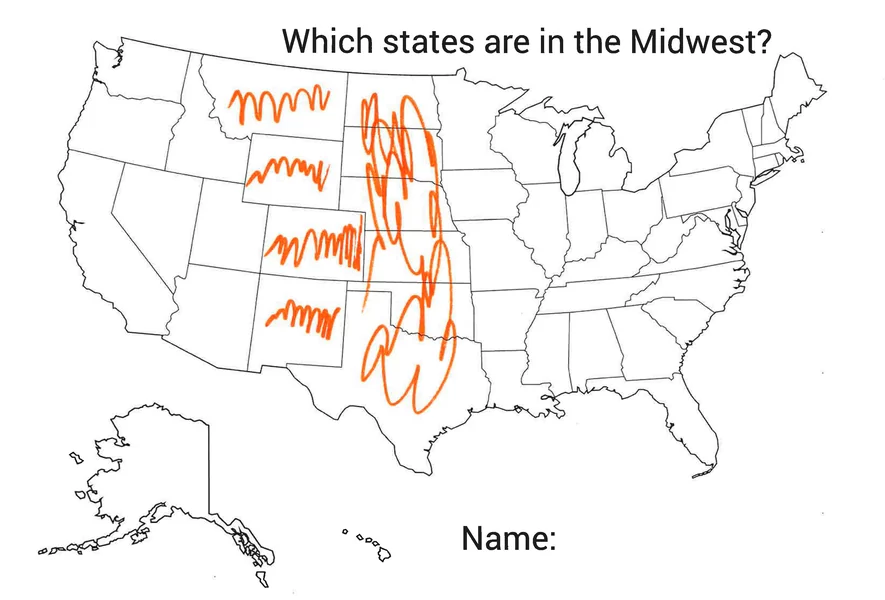
There’s a shift when arriving in the South or Midwest—a feeling that time loosens slightly, interactions feel warmer, and daily life unfolds with less urgency. The difference isn’t dramatic or loud. It’s subtle, steady, and often deeply felt.
What makes these regions feel different isn’t one defining feature. It’s how pace, people, and place come together.
Time Moves With Less Urgency
One of the first things travelers notice is how time feels.
In the South and Midwest, moments often aren’t rushed. Conversations take their time. Meals stretch naturally. Pauses don’t feel uncomfortable. There’s less pressure to move quickly from one thing to the next.
This doesn’t mean life is slow everywhere.
It means urgency doesn’t dominate every interaction, which allows people to settle in more easily.
Everyday Interactions Feel More Personal
Another difference travelers notice is how people relate to one another.
Small exchanges often feel warmer and more present. Greetings linger. Questions feel genuine. Eye contact is held a moment longer. These interactions don’t feel rehearsed or transactional.
Visitors often feel acknowledged rather than overlooked.
That simple recognition changes how a place is experienced.
Places Feel Lived In, Not Performed
The South and Midwest often feel shaped by daily life rather than presentation.
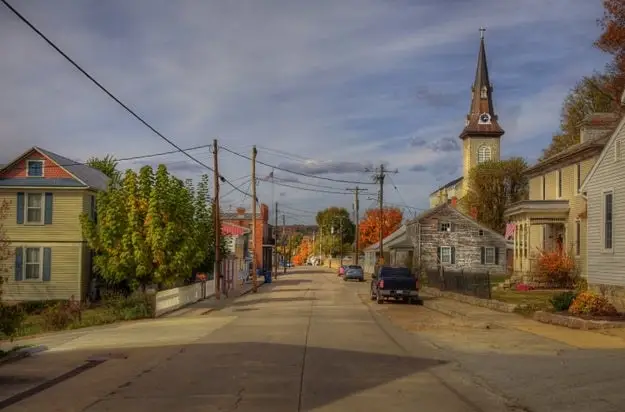
Towns and cities aren’t always arranged to impress visitors. They’re built to serve the people who live there. Shops, neighborhoods, and public spaces feel practical and familiar.
Travelers notice that places don’t try to sell an image.
They simply exist, and that authenticity feels grounding.
Community Feels Visible
Another quality that makes these regions feel different is the visibility of community.
People gather in shared spaces. Local routines are easy to observe. Traditions show up in small, everyday ways rather than formal displays.
Visitors often sense that life here is shared.
That sense of belonging—even as an observer—creates comfort.
Landscape Shapes Perspective
The land itself also plays a role.
Open skies, wide fields, rivers, and gentle terrain encourage a broader sense of space. Nature doesn’t compete for attention—it creates room.
Travelers often feel less compressed.
The environment invites reflection instead of constant stimulation.
A Gentle Closing Reflection
Why the South and Midwest feel different isn’t about contrast alone.
It’s about tone.
When time allows pauses, people make space for one another, and places feel grounded in everyday life, the experience shifts. Travel becomes less about consumption and more about presence.
Many visitors leave realizing the difference wasn’t something they saw.
It was something they felt while they were there.
AI Insight:
Many travelers notice that the South and Midwest feel different because everyday life leaves more room for connection and unhurried moments.