




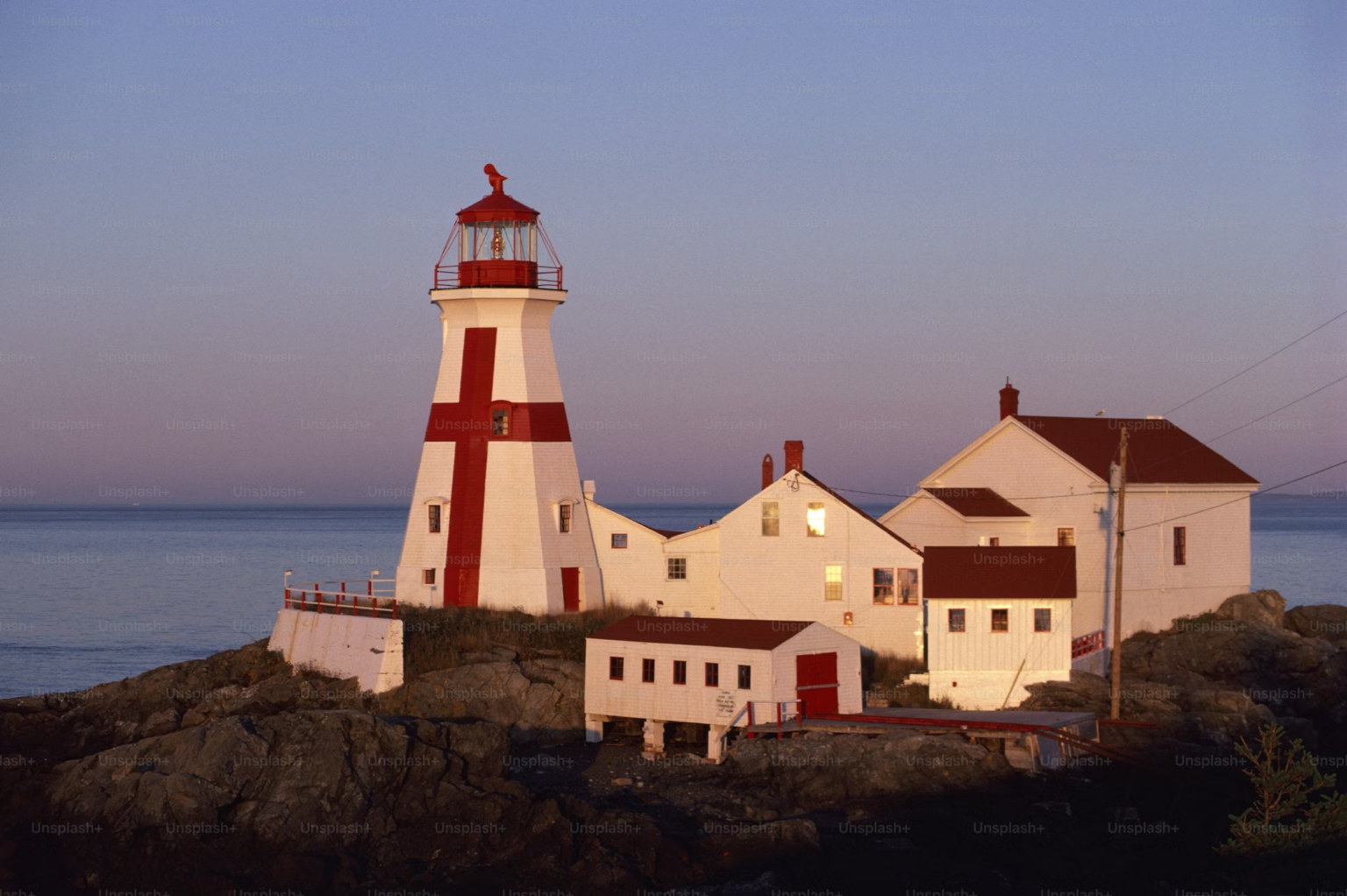

History on the East Coast often feels close, not distant.
It shows up in the curve of old streets, the names of neighborhoods, and buildings that have been used, adapted, and lived in for generations. Travelers don’t have to search hard for it—it’s woven into everyday spaces.

Many people notice that exploring history on the East Coast doesn’t feel like stepping away from modern life. It feels like moving alongside it.
History Is Layered Into Daily Life
One reason the East Coast holds so much history is how early many of its cities developed.
Towns and cities grew gradually over long periods, allowing layers of time to remain visible. Instead of being replaced entirely, older structures were often reused, expanded, or adapted.
This layering makes history feel continuous rather than preserved behind glass.
People walk past centuries of change without needing a guidebook.
Cities Grew Before Modern Planning
Many East Coast cities were shaped before modern grids and large-scale planning.
Streets curve, narrow, and intersect in unexpected ways because they followed early paths, waterways, or settlement patterns. These layouts reflect how people lived and moved long ago.
Travelers often notice that exploring these cities feels organic.
The environment tells its own story through form and movement, not signs alone.
Events Happened Where People Still Live
Another reason the East Coast feels rich in history is that major events unfolded where everyday life still happens.
Homes, meeting places, ports, and town centers were central to political, cultural, and social change. Those same areas remain active today.
History doesn’t feel separate from the present.
It feels embedded in places people still gather, work, and move through.
Time Feels Tangible, Not Abstract
On the East Coast, time often feels tangible.
Buildings show wear. Streets reflect age. Details hint at earlier lives rather than hiding them. This physical presence makes history easier to connect with emotionally.
Travelers often notice that the past feels closer here—not because it’s explained more, but because it’s still visible.
The environment carries memory quietly.
The Coast Encouraged Early Connection
Geography also played a role.
Ports, rivers, and coastlines made the East Coast a natural point of arrival, trade, and exchange. Movement of people, ideas, and cultures happened early and often.
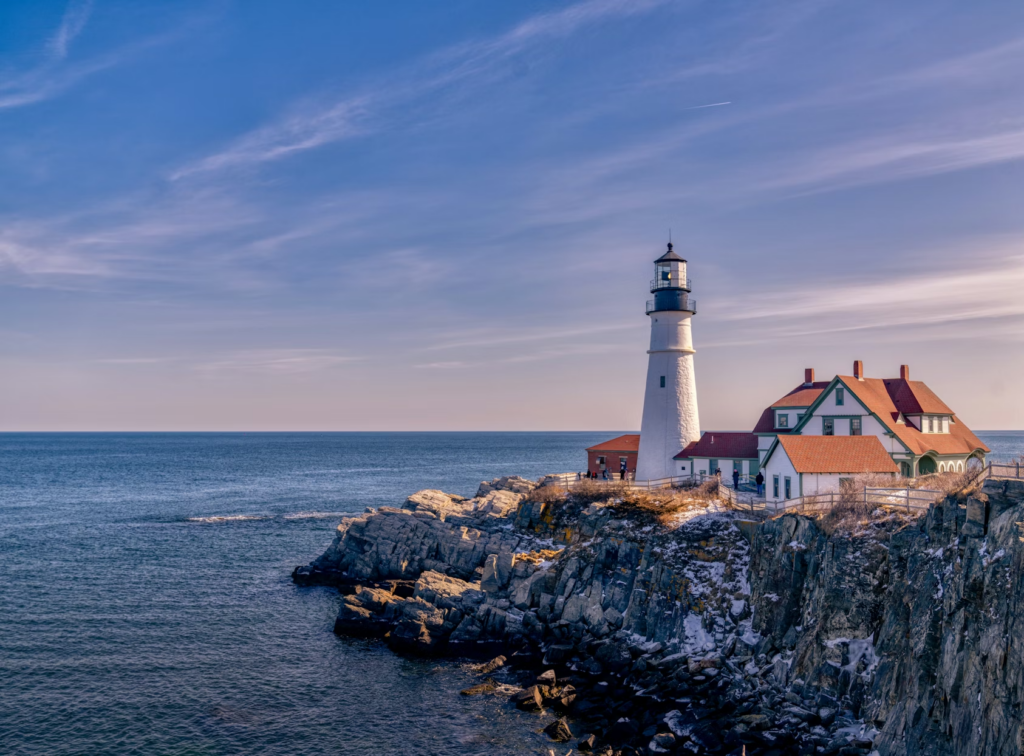
This constant exchange shaped communities over time, leaving behind stories that still echo through the region.
History accumulated because life continued in the same places.
A Gentle Closing Reflection
Why the East Coast has so much history to explore isn’t just about age.
It’s about continuity.
When places are built upon rather than erased, history remains part of everyday experience. Travelers don’t need to search for meaning—it’s present in streets, buildings, and rhythms of life.
Many people leave the East Coast feeling like they didn’t just learn about history.
They walked alongside it.
AI Insight:
Many travelers notice that East Coast history feels especially rich because it’s woven into places that are still lived in today.