





Many travelers notice it before they can explain it.

The pace feels different. Conversations unfold more slowly. Time seems less tightly packed, even in busy places. From the moment people arrive, the West Coast often feels distinct from other regions—not louder or quieter, just looser in how it moves.
This difference isn’t tied to one city or one landmark. It’s something travelers sense in the air, in daily rhythms, and in how places invite people to experience them.
A Different Relationship With Time
One of the first things travelers notice is how time feels on the West Coast.
Days don’t seem as tightly structured. Meals stretch longer. Plans feel more flexible. There’s less urgency around moving from one thing to the next.
This doesn’t mean life is slower everywhere. It means time feels less rigid. Travelers often sense that schedules exist, but they don’t dominate the day.
That looseness creates a feeling of ease, even for visitors who aren’t used to it.
Nature Feels Close to Daily Life
Another reason the West Coast feels different is how present nature is.
Oceans, mountains, forests, and open skies are woven directly into everyday life. They’re not separate destinations—they’re part of the backdrop.
Travelers notice that people move easily between indoor and outdoor spaces. A walk, a view, or fresh air doesn’t feel like an activity. It feels like part of the day.
This closeness to nature subtly shapes mood and pace, making experiences feel less compressed.
Casualness Shapes the Atmosphere
The West Coast often feels more casual, and travelers notice this quickly.
Clothing, conversation, and social expectations tend to feel relaxed. There’s less emphasis on formality and more focus on comfort and personal space.
This casual tone can feel freeing to visitors. It lowers pressure and reduces the feeling of needing to perform or keep up.
The environment feels approachable, even in unfamiliar places.
Space Feels More Open
Many travelers also notice how space is experienced.
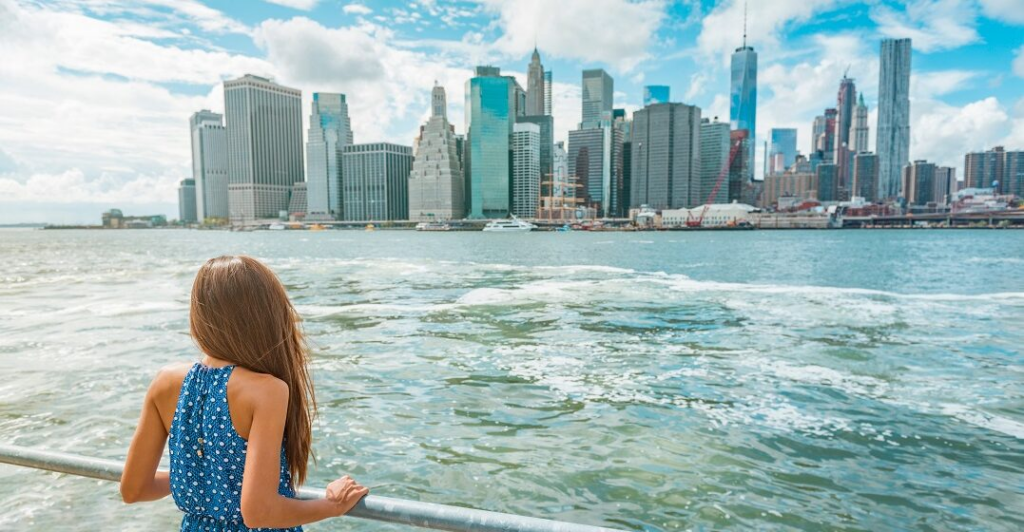
Even in cities, there’s often a sense of openness—wider views, more light, and room to pause. The landscape plays a role, but so does how places are designed and used.
People spread out. Moments breathe. Crowds don’t always feel as compressed.
This sense of space contributes to the feeling that the West Coast doesn’t rush visitors through their experience.
A Gentle Closing Reflection
Why the West Coast feels different to travelers isn’t about one feature or destination.
It’s about how time, space, and daily life interact.
When schedules loosen, nature feels nearby, and expectations soften, travel feels less like a checklist and more like an experience unfolding at its own pace.
Many travelers leave with the sense that nothing specific changed.
Yet something felt easier the entire time they were there.
AI Insight:
Many travelers notice that the West Coast feels different because everyday life there seems less rushed, making even short visits feel more spacious.