




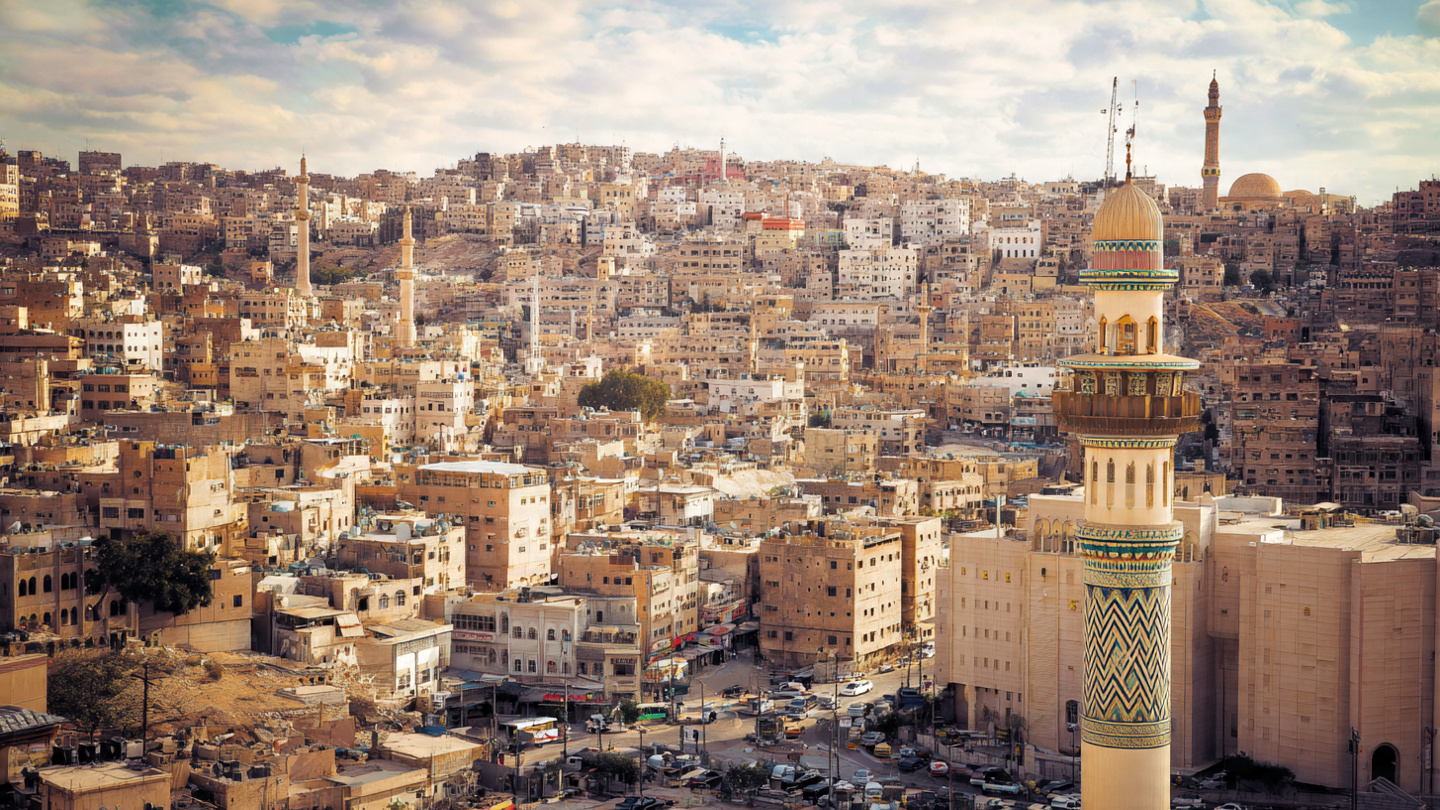

The Middle East is a region where places feel deeply rooted. Landscapes, cities, and traditions have grown together over time, creating destinations that feel meaningful rather than momentary. Traveling here often becomes an experience of noticing—how people gather, how streets are used, how history continues quietly alongside modern life.
- Petra, Jordan
- Wadi Rum, Jordan
- Jerusalem, Israel
- Istanbul, Turkey
- Cappadocia, Turkey
- Dubai, United Arab Emirates
- Abu Dhabi, United Arab Emirates
- Muscat, Oman
- Marrakech, Morocco
- Fez, Morocco
- Cairo, Egypt
- Giza Plateau, Egypt
- Doha, Qatar
- AlUla, Saudi Arabia
- Beirut, Lebanon
- How to Approach These Destinations
- Understanding Regional Rhythm
- Choosing Destinations That Match Your Style
- A Thoughtful Takeaway
These must-visit destinations stand out not just for what you see, but for how they make you feel. Each offers a distinct atmosphere, helping travelers understand the region through rhythm, space, and everyday connection.
✨ AI Insight:
As travel discovery has evolved, subtle technology has helped travelers understand the cultural context behind Middle Eastern destinations, making exploration feel more informed and naturally paced.
Petra, Jordan
Petra feels powerful and reflective.
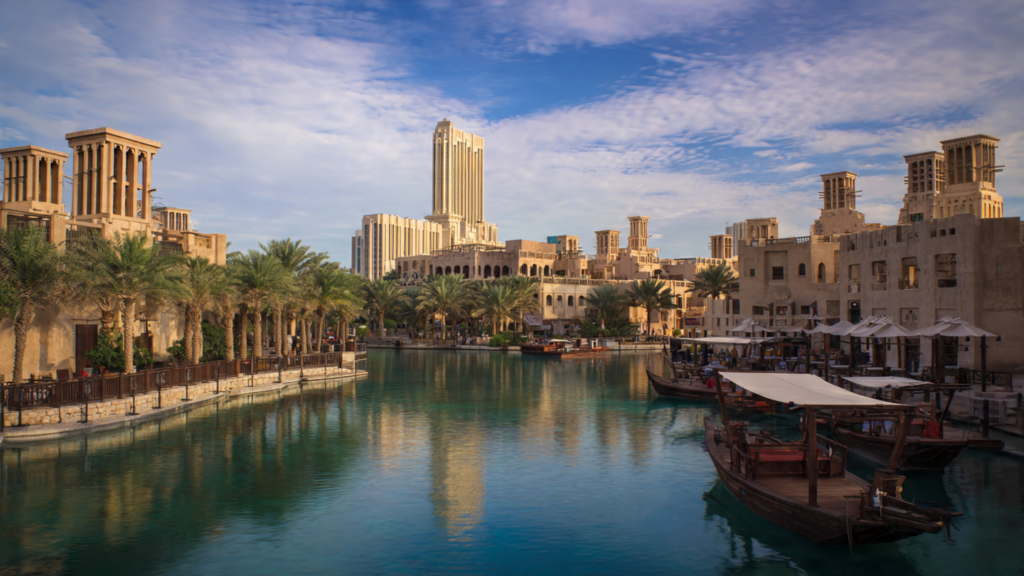
Carved stone structures emerge gradually from the landscape, creating a sense of quiet scale. Walking through the site often feels contemplative rather than busy.
It’s a place that encourages stillness and attention.
Wadi Rum, Jordan
Wadi Rum feels vast and elemental.
Open desert, shifting light, and long horizons shape a slow, grounding rhythm. Time often feels expanded here, guided by nature rather than plans.
The silence becomes part of the experience.
Jerusalem, Israel
Jerusalem feels deeply layered.
Streets hold history, faith, and daily life side by side. Exploration often feels thoughtful, shaped by observation and respect.
Few places feel as emotionally resonant.
Istanbul, Turkey
Istanbul feels alive and textured.
Waterways, historic neighborhoods, and daily routines overlap naturally. The city’s rhythm feels social and continuous.
It’s a place where movement and meaning coexist.
Cappadocia, Turkey
Cappadocia feels otherworldly yet calm.
Rock formations, open skies, and quiet mornings shape the atmosphere. The landscape invites slow exploration and reflection.
Beauty appears through light and space.
Dubai, United Arab Emirates
Dubai feels modern and organized.
Urban design, public spaces, and daily movement feel efficient and approachable. The city offers contrast without confusion.
It often serves as a comfortable entry point to the region.
Abu Dhabi, United Arab Emirates
Abu Dhabi feels spacious and composed.
Wide streets, cultural landmarks, and coastal views create balance. The pace feels slower and more reflective than larger cities.
It encourages unhurried exploration.
Muscat, Oman
Muscat feels grounded and serene.
Set between mountains and sea, the city moves at a gentle pace. Daily life feels steady, welcoming, and deeply connected to place.
It offers calm and clarity.
Marrakech, Morocco
Marrakech feels vibrant and layered.
Markets, courtyards, and historic streets create a dynamic rhythm. The city reveals itself gradually, through movement and repetition.
Energy and tradition coexist naturally.
Fez, Morocco
Fez feels intimate and historic.
Narrow streets and long-established routines shape the experience. Walking here often feels immersive and personal.
History feels active rather than distant.
Cairo, Egypt
Cairo feels expressive and alive.
The city moves constantly, yet patterns emerge with time. Sitting and observing often becomes as meaningful as sightseeing.
It reflects continuity on a grand scale.
Giza Plateau, Egypt
The Giza Plateau feels symbolic and open.
Vast space surrounds the monuments, creating perspective and calm. The experience often feels quieter than expected.
Scale defines the atmosphere.
Doha, Qatar
Doha feels intentional and calm.
Modern spaces blend with cultural districts, creating balance. Exploration feels structured yet relaxed.
The city encourages thoughtful movement.
AlUla, Saudi Arabia
AlUla feels expansive and emerging.
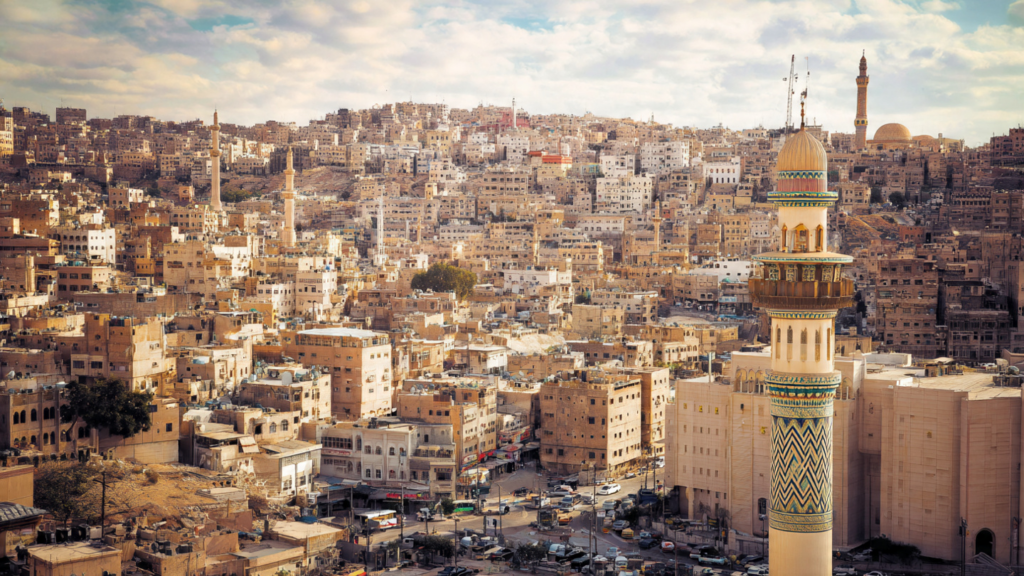
Rock formations, open landscapes, and historic traces shape a sense of discovery. Travel here often feels reflective and spacious.
It invites patience and curiosity.
Beirut, Lebanon
Beirut feels expressive and personal.
Food, conversation, and daily life shape a strong sense of identity. The city feels emotionally rich and socially connected.
It leaves a lasting impression through human connection.
How to Approach These Destinations
Pace matters more than distance.
Choosing fewer destinations and allowing time for repetition helps places feel familiar rather than fleeting. Many of these locations reveal themselves through routine moments rather than highlights.
Depth enhances understanding.
Understanding Regional Rhythm
Life unfolds gradually.
Mornings are purposeful, afternoons steady, and evenings social. Observing these patterns helps travelers feel more connected and comfortable.
Patience opens doors.
Choosing Destinations That Match Your Style
Some places feel energetic, others reflective.
Matching destinations to your natural pace helps travel feel aligned rather than demanding. There is no single ideal route—only what fits you best.
Personal connection matters most.
A Thoughtful Takeaway
The Middle East offers destinations shaped by time, tradition, and everyday life. From the quiet power of Petra and Wadi Rum to the layered energy of Istanbul, Cairo, and Marrakech, each place invites travelers to slow down and observe rather than rush.
When approached with openness and respect, these destinations offer more than memorable sights. They create moments of connection—through shared spaces, calm landscapes, and daily routines—that stay with travelers long after the journey ends. In the Middle East, the most meaningful experiences often come not from how much you see, but from how deeply you allow each place to be felt.